In Mexico, more than 130,000 people are officially listed as missing. Their mothers, sisters and sons, loved ones have spent years searching for them themselves: combing fields and morgues, and investigating cases that prosecutors abandoned. This month, they took that work to the United Nations, and we went with them in solidarity and in support of their mission.
On October 20, for the first time in history, a UN human rights body brought a country before the General Assembly over enforced disappearances. The UN Committee on Enforced Disappearances found well-founded indications that disappearances in Mexico may amount to crimes against humanity. Rather than simply condemn, the Committee offered Mexico international assistance and cooperation to help end disappearances.
The families who went to New York
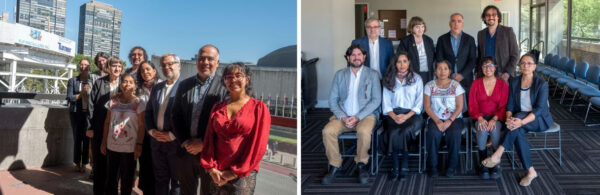
Global Exchange accompanied families of the disappeared and Mexican human rights groups to two UN events in New York, on October 8 and 19. At the first one, Omar Gómez Trejo, director of Global Exchange’s Habeas Corpus Lab and former special prosecutor for the Ayotzinapa case, joined families and experts in calling for an extraordinary cooperation mechanism between Mexico and the UN.
They came with years of searching, documenting, and demanding answers behind them, work the Mexican government has repeatedly failed to do.
- Cristina Bautista, mother of Benjamín, one of the 43 students from Ayotzinapa teachers’ college who disappeared in 2014.
- Oralia Nájera has searched for her husband for 16 years. His case file is exactly where it started.
- Dora Varela of Honduras lost her brother as he migrated through northern Mexico. In 2014, Mexican authorities returned only his torso. The registry still lists him as “located.”
- Keivan Díaz Valencia‘s father disappeared in Michoacán alongside lawyer Ricardo Lagunes. He, too, was declared “located,” though no one has found him. “What kind of state,” Keivan asked, “plays like this with families’ pain?”
- Elizabeth Uruchurtu is searching for her sister, Claudia Uruchurtu, who has been missing since 2001, after taking part in a local protest outside the municipal palace in Nochixtlán.
Mexico’s answer: denial
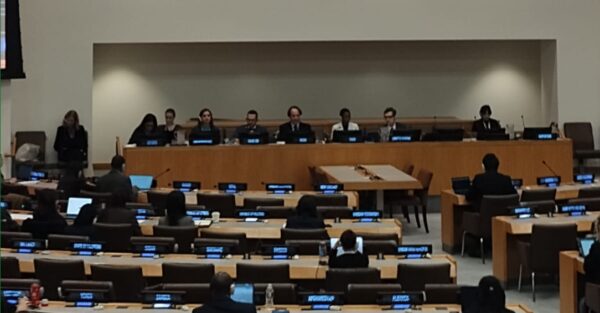
During the session of the UN’s Committee Against Enforced Disappearance, instead of accepting help and in front of families of the disappeared, the Mexican government rejected the Committee’s findings and lobbied other countries to keep the case off the General Assembly’s agenda. Afterward, it claimed Mexico had been “congratulated.”
The government now admits disappearances continue, but blames only local officials, not state or federal ones, despite the evidence. Days before the session, it announced it had located 16,000 people, and the official count fell from over 135,000 to 130,560. Lowering a number is not finding anyone.
The families are calling for international funding and expertise to ensure investigations lead to convictions; an international search and forensic identification mechanism that puts families at its center; and meaningful protection for those who search, more than 40 of whom have been killed or disappeared since 2010. They are demanding that authorities go beyond matching records to actually identify the disappeared and return their loved ones to their families.
What you can do
The General Assembly now has to decide what to do next: urge Mexico to accept international cooperation, refer the matter to the UN Human Rights Council, or take no action. So far, only a handful of governments have spoken out. The families need more countries to stand with them.
- Tell Congress: Don’t let the UN drop Mexico’s disappeared. Ask your representative and senators to press the State Department and the U.S. Mission to the UN to keep the case alive and urge Mexico to accept an international search mechanism.
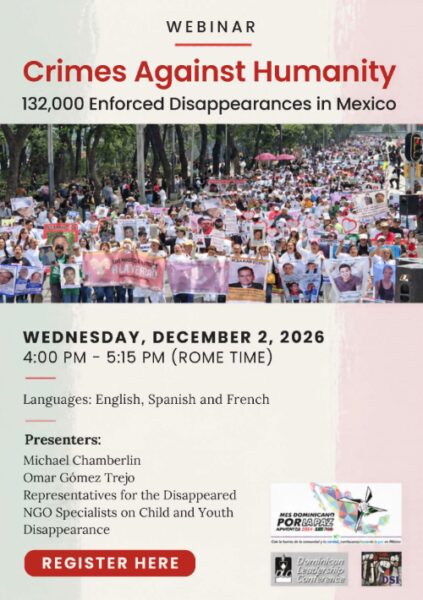
- Register here to attend the upcoming webinar “Crimes Against Humanity” next December 2nd, where you will hear from experts like Omar Gómez Trejo, Director of Global Exchange’s Habeas Corpus Lab, about the realities around enforced disappearance in Mexico and how Article 34 can help creating a new precedent to address this unprecedented crisis
3. Support our work with families of the disappeared in Mexico and around the world.
The mothers have made clear they will not stop searching for their loved ones. We must stand with them and support their fight for answers.
